What if The Market Drops Right After You Retire?

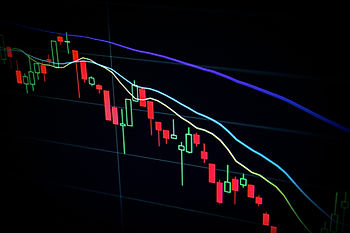
A market drop during your working years feels like a punch to the gut. But if you’re still putting money into your 401(k), those contributions buy more shares at lower prices because you have time before you need to sell.
Now picture the same drop 6 months after your last paycheck. You still need money for groceries, property taxes, and whatever needs to be fixed around the house. If that money has to come from investments while markets are down, it is a different story.
Why the order of returns matters
Say you need $60,000 from an investment account over the next year. At $100 per share, you would sell 600 shares. After a 20% drop, you would have to sell 750 shares to get the same $60,000.
That’s 150 more shares gone. If the price later returns to $100, those shares aren’t there to participate. This example leaves out taxes and the rest of a diversified portfolio, but it illustrates the problem.
Financial planners call it sequence of returns risk. Once you start withdrawing money, the order of your investment returns can affect how long your savings last. Two retirees can experience the same average returns over 10 years but finish with different balances because one had to make withdrawals during the bad years.
An average return can look perfectly reasonable on paper while the withdrawals in those first bad years leave fewer shares to benefit from a recovery.
Why the first 5 years get so much attention
The first 5 years aren’t a magic cutoff. A bad market later in retirement can still hurt. But early losses leave you making withdrawals from a smaller portfolio, possibly for years, while you still have decades of expenses ahead.
In a Morningstar analysis of simulated retirements, poor returns in the first 5 years were associated with a much higher chance of running out of money under a fixed, inflation adjusted withdrawal plan. That doesn’t predict what will happen to your household. It does give us a reason to test the first few years carefully.
For a Wichita couple with $1.5 million saved, I’d want to know how much of their monthly spending a pension or Social Security covers. I’d also want to know how much they must withdraw from investments before those benefits begin. A couple withdrawing $2,000 a month faces a different problem from a couple withdrawing $8,000 a month, even if both start with $1.5 million.
Plan for a bad start before you need the money
You can’t control the market. You can decide in advance which money pays the bills if stocks fall shortly after you retire.
Depending on the household, that might mean holding cash for near term withdrawals, using bonds for another portion, or agreeing to trim optional spending after a rough year.
Working part time for a while may reduce withdrawals too. Each choice comes with a tradeoff. Cash can lose buying power, bonds can fall in value, and cutting spending is easier said than done.
I wouldn’t pick a cash reserve from a rule of thumb and call the job done. First, work out what your investments need to provide after other income. Then test that amount against a market drop, your tax situation, and the expenses you’d be willing to change.
A plan might show that you can retirement on time. But might also show that working longer, changing your first few years of spending, or setting aside more money for withdrawals deserves consideration. I’d rather have that conversation while you still have a paycheck than 6 months after it ends.
If stocks fall 20% in your first year of retirement, where will the next 12 months of withdrawals come from?
This article is for educational purposes. It is not personalized advice, a recommendation, or an offer. Investment and withdrawal decisions depend on your full financial situation. Review your choices with a qualified financial or tax professional before acting.