
Waiting for Certainty Is Usually Too Expensive

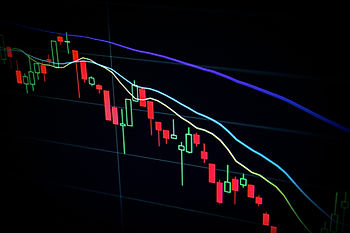
October 2008.
Lehman Brothers had collapsed.
Washington Mutual had failed. The S&P 500 was down big and falling fast.
Every day felt like the next emergency.
And Warren Buffett was buying stocks.
On October 17, 2008, Buffett wrote an op ed in The New York Times called “Buy American. I Am.” In it, he said he had been buying American stocks with his own personal money.
But the most important part of the article was not that he was buying.
The most important part was that he admitted he did not know what would happen next.
He wrote that he had no idea whether stocks would be higher or lower a month or a year later.
Buffett was not saying, “The bottom is in.”
He was not saying, “The crisis is over.”
He was not saying, “Everything is safe now.”
He was buying before things felt safe.
That is the whole point.
Every bear market creates the same emotional trap. People say they are waiting for things to settle down. What they usually mean is they want the opportunity without the fear.
That would be nice.
It almost never works that cleanly.
By the time the economy feels stable, the market has likely already moved. By the time the headlines sound better, prices may no longer be as attractive. By the time you finally feel comfortable, the opportunity may be gone.
That does not mean every dollar belongs in stocks.
If you need the money in the next few years, it probably does not belong in stocks.
Retirement income, emergency reserves, and near-term spending need to be protected.
That is why a real plan separates short-term money from long-term money.
But if the money is meant to last 10, 20, or 30 years, waiting for certainty can quietly become one of the most expensive decisions you make.
This is especially hard if you are close to retirement.
When you are 35, a bear market feels bad. When you are 62, it can feel like someone just punched a hole in the side of your retirement plan.
Of course you want to wait.
Of course you want more clarity.
Of course you want someone to tell you when the coast is clear.
But markets do not usually ring a bell when the coast is clear. They usually recover while people are still arguing about whether recovery is possible.
This is why your stock and bond mix matters before the next ugly market shows up. If your portfolio is built wrong, you may be forced into a bad decision at the worst possible time. If it is built on purpose, volatility is still painful, but it does not have to blow up the plan.
The next bear market will not feel like an opportunity when you are living through it. It will feel like a reason to wait.
So decide now.
When the headlines get ugly again, are you going to follow the plan, or are you going to wait until the opportunity is already gone?
Disclaimer: This article is for educational purposes. It is not personalized advice, a recommendation, or an offer. Investment decisions depend on your full financial plan, time horizon, risk tolerance, and income needs.


